

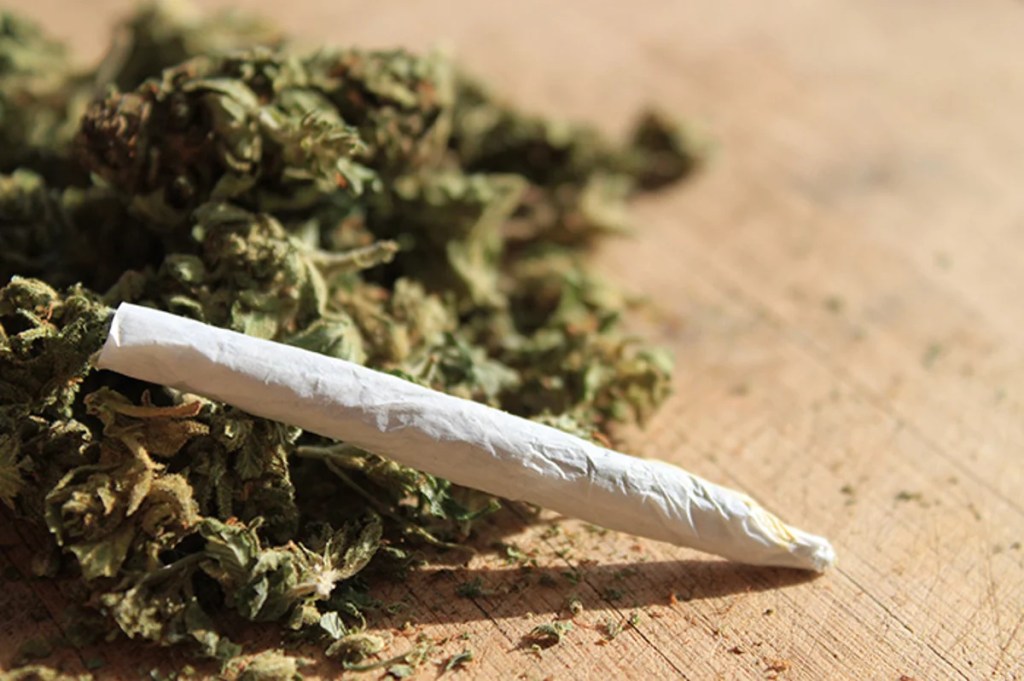
I am currently a college student, and for my General Psychology class the “Professor” does not believe Marijuana is has much capacity for addiction, nor do they seem to see any danger in the substance. Because of this, I find it necessary to point out some big concerns about Marijuana use. Though this is not typical for my blog postings, it is an important topic for our generation.
Not only is the statement “Marijuana doesn’t have a high potential for abuse” false, but the thought that marijuana is harmless and should be readily available to all is in itself dangerous. There is a vast array of information, as well as a vast pool of personal observation on this topic. Ranging from drug rehab clinics, the CDC, and texts within the National Library of Medicine, there is plenty of scientific an experiential evidence to suggest Marijuana is a highly addictive and dangerous mind altering substance.
What is Marijuana?
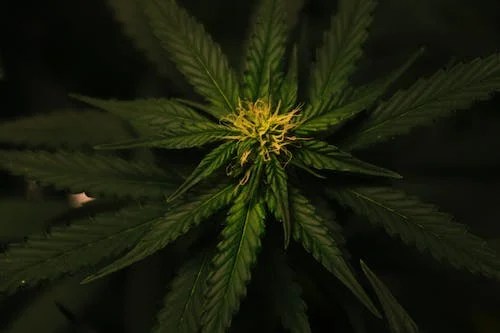
“Marijuana is a mind-altering substance derived from the flower of the Cannabis sativa plant.2 It is a greenish-gray mixture of dried flowers…Additionally, cannabis concentrates, made from the microscopic, mushroom-shaped outgrowths that surround the marijuana flower, can have very high levels of delta-9-tetrahydrocannabinol (commonly referred to as THC), the ingredient in marijuana that produces the mind-altering effects” Drug Addiction Center “Cannabis sativa has more than 500 distinct chemical entities, the most significant and well-known components being cannabidiol [CBD] and delta-9-tetrahydrocannabinol [THC]. Yale School of Medicine
“When a person smokes marijuana, THC quickly passes from the lungs into the bloodstream. The blood carries the chemical to the brain and other organs throughout the body. The body absorbs THC more slowly when the person eats or drinks it. In that case, they generally feel the effects after 30 minutes to 1 hour.” National Institute for Drug Abuse
Is Marijuana Addictive?
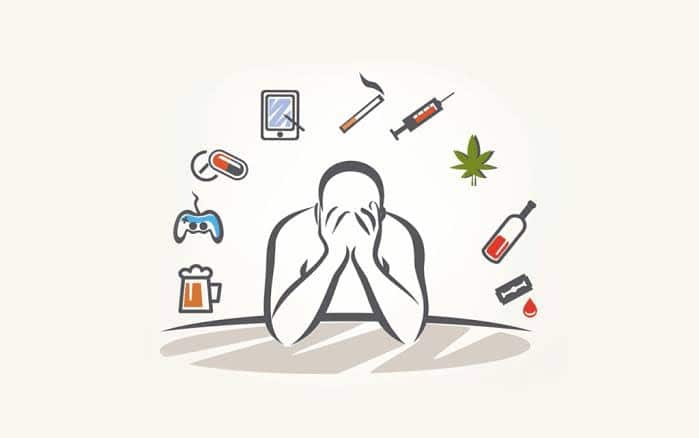
““Increases in the legalization of cannabis over the past few decades have made it one of the most frequently used psychoactive substances in the world, while also decreasing the public’s perception of its harm” National Institutes of Health
“…enhanced response to other addictive substances—such as morphine or nicotine—in the areas of the brain that control reward, and they’re more likely to show addiction-like behaviors.” National Institute on Drug Abuse
“One study estimated that approximately 3 in 10 people who use marijuana have marijuana use disorder” Center for Disease Control and Prevention
“While not nearly as addictive as drugs like heroin or crack, marijuana is habit-forming and causes addiction in one out of nine users. Many people seeking professional treatment for addiction are hooked on marijuana…Marijuana messes with your coordination, reaction times and inhibitions. While high on pot, people make bad choices and have accidents that could have been prevented. If marijuana is legal, innocent people will become the victims of these accidents. Drinking and driving accidents already kill many people every day. Driving while high on pot will only add to the problem….Brains of teenagers are still developing, and using mind-altering substances can hamper that development. Teens using marijuana regularly experience lasting cognitive defects and memory deficits.” DrugRehab.us
“Despite relatively widespread perceptions that would suggest otherwise, frequent marijuana use is associated with the development of physiological dependence, a distinct withdrawal syndrome, and addiction…About 14.2 million people, aged 12 or older, struggled with marijuana addiction in 2020…An individual who regularly uses marijuana may develop a cannabis use disorder, where cannabis use becomes uncontrollable and begins to impact normal functioning, such as failure to fulfill role responsibilities at home or work, physical dependence, and health problems…Withdrawal from marijuana can cause significant discomfort and distress, which may lead the person to return to marijuana use to avoid experiencing withdrawal symptoms” American Addiction Center
“Many people use cannabis recreationally without experiencing evident adverse effects. However, for some, the health risks associated with cannabis, such as addiction and cannabis withdrawal syndrome are genuine and potentially debilitating. “Nearly one-third of regular cannabis users may develop problematic use patterns. While certain cannabis-derived products show therapeutic potential, they are not without risks… Yale School of Medicine
Is Marijuana Dangerous?
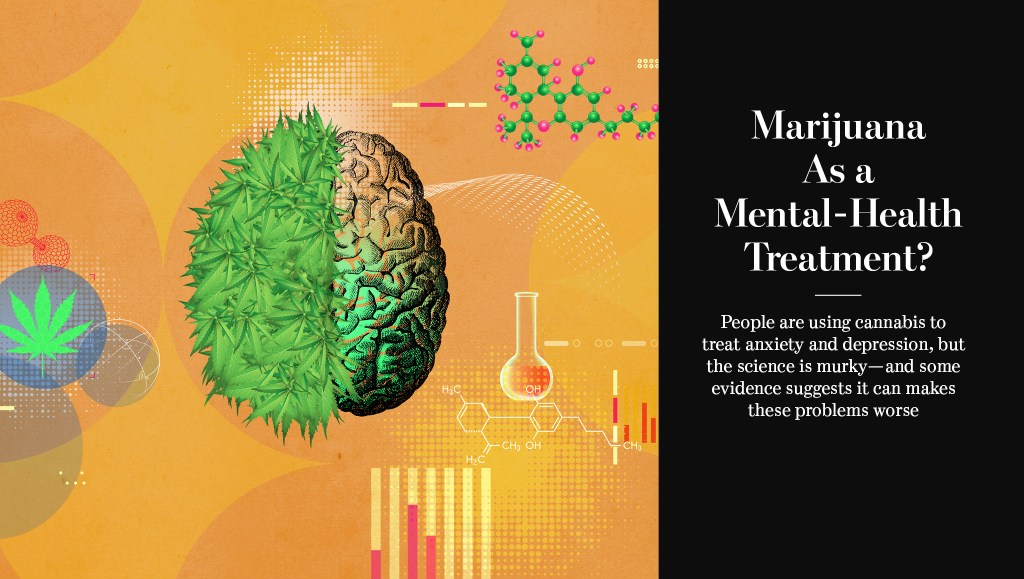
“According to the CDC, marijuana has a dramatic effect on mental health. “Marijuana use, especially frequently (daily or nearly daily) and in high doses, can cause disorientation and sometimes unpleasant thoughts or feelings of anxiety and paranoia…People who use marijuana are more likely to develop temporary psychosis (not knowing what is real, hallucinations, and paranoia) and long-lasting mental disorders, including schizophrenia (a type of mental illness where people might see or hear things that are not really there)….Marijuana use has also been linked to depression; social anxiety; and thoughts of suicide, suicide attempts, and suicide“
“Marijuana also affects brain development. When people begin using marijuana as teenagers, the drug may impair thinking, memory, and learning functions and affect how the brain builds connections between the areas necessary for these functions.” National Institute on Drug Abuse
“There is compelling data showing that cannabis may be associated with changes in brain structure in young people, particularly in the prefrontal cortex, which is associated with decision-making and executive function. Other epidemiological evidence suggests that heavy and early use of cannabis is associated with increased risk of developing schizophrenia, bipolar disorder, depression, and anxiety...Now, new studies suggest that children born to mothers who used cannabis during pregnancy have cognitive deficits that can persist into adolescence…Substantial evidence from animal research and a growing number of studies in humans indicate that marijuana exposure during development can cause long-term or possibly permanent adverse changes in the brain…Cognitive impairments in adult rats exposed to THC during adolescence are associated with structural and functional changes in the hippocampus…Several studies, including two large longitudinal studies, suggest that marijuana use can cause functional impairment in cognitive abilities but that the degree and/or duration of the impairment depends on the age when a person began using and how much and how long he or she used…cumulative lifetime exposure to marijuana was associated with lower scores on a test of verbal memory but did not affect other cognitive abilities such as processing speed or executive function….Some studies have also linked marijuana use to declines in IQ, especially when use starts in adolescence…Those who used marijuana heavily as teenagers and quit using as adults did not recover the lost IQ points…youth who used marijuana showed significant declines in verbal ability (equivalent to 4 IQ points) and general knowledge between the preteen years (ages 9 to 12, before use) and late adolescence/early adulthood (ages 17 to 20… Yale School of Medicine
“People with cannabis use disorder are unable to stop using cannabis despite it causing negative consequences in their lives… National Institutes of Health
“Smoked marijuana delivers THC and other cannabinoids to the body, but it also delivers harmful substances, including many of the same toxins and carcinogens (cancer-causing chemicals) found in tobacco smoke,3 which are harmful to the lungs and cardiovascular system.” Center for Disease Control and Prevention
“Regular, long-term marijuana use can lead to some people to develop Cannabinoid Hyperemesis Syndrome. This causes users to experience regular cycles of severe nausea, vomiting, and dehydration, sometimes requiring emergency medical attention” National Institute on Drug Abuse
Severe Mental Health issues developing
“Regular cannabis use and psychotic disorders (such as schizophrenia) are associated in the general population 1,2, and heavy cannabis users are over-represented among new cases of schizophrenia” National Institutes of Health
“Young men with cannabis (marijuana) use disorder have an increased risk of developing schizophrenia, according to a study led by researchers at the Mental Health Services in the Capital Region of Denmark and the National Institute on Drug Abuse (NIDA) at the National Institutes of Health…Researchers found strong evidence of an association between cannabis use disorder and schizophrenia among men and women…as many as 30% of cases of schizophrenia among men aged 21-30 might have been prevented by averting cannabis use disorder” National Institutes of Health
“Schizophrenia is a serious mental illness that affects how a person thinks, feels, and behaves. People with schizophrenia may seem like they have lost touch with reality, and the symptoms of schizophrenia can make it difficult to participate in usual, everyday activities.” National Institutes of Health
Conclusion
We can see from even just this small amount of evidence presented that there is a real risk when engaging in the use of Marijuana, especially regularly. Addiction is quite common with the use of Cannabis and can have short term, long term, and dangerous effects. From my personal experience, I have been close to at least a dozen people who have heavy marijuana addictions. Prior to a number of those people and their initial use, they were highly functional, emotionally mature, and conversationally advanced people. After their constant and increased use, they became difficult to have conversations with, were more emotionally volatile, and became depressed or anxious blobs. Whenever they tried to quit, they dealt with horrible nightmares, an intense anxiety, increased irritability, and more. Though I do know some who were still functional, the vast majority of them turned into a shell of what they once were or who they could be when they weren’t using the drug. As a society, there should not be a wide acceptance of a drug with good connection to psychotic episodes, development of anxiety and depression.
All Sources provided here:
https://www.ncbi.nlm.nih.gov/pmc/articles/PMC2424288
https://www.cdc.gov/marijuana/health-effects/mental-health.html
https://nida.nih.gov/publications/drugfacts/cannabis-marijuana
 Baqash : To Seek
Leave a comment